Introduction to Uranium
Uranium minerals are a fascinating group of naturally occurring geological specimens found within the Earth’s crust, valued for their unique colours, crystal formations, and natural radioactivity. From the dense metallic appearance of Uraninite to the vibrant fluorescent glow of Autunite, each specimen offers a glimpse into the remarkable processes that shape our planet. These minerals have long been appreciated by collectors, researchers, museums, and educational institutions for their scientific, historical, and geological significance. Understanding how these minerals form and naturally change over time helps collectors preserve and appreciate them responsibly.
Atomic Property
Element 92, naturally radioactive with highly complex chemical bonding.
formation
Formed through hydrothermal fluid circulation and supergene enrichment.

IDENTIFICATION & CHARACTERISTICS

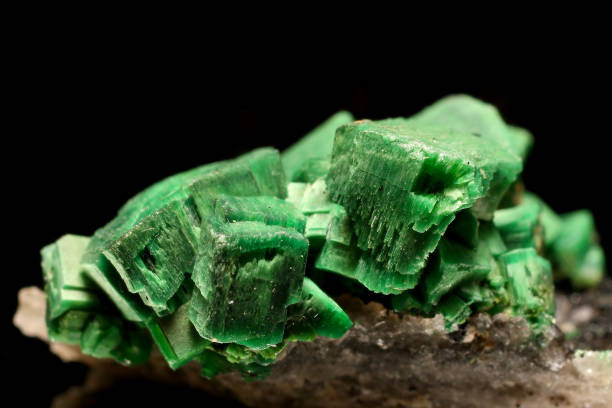

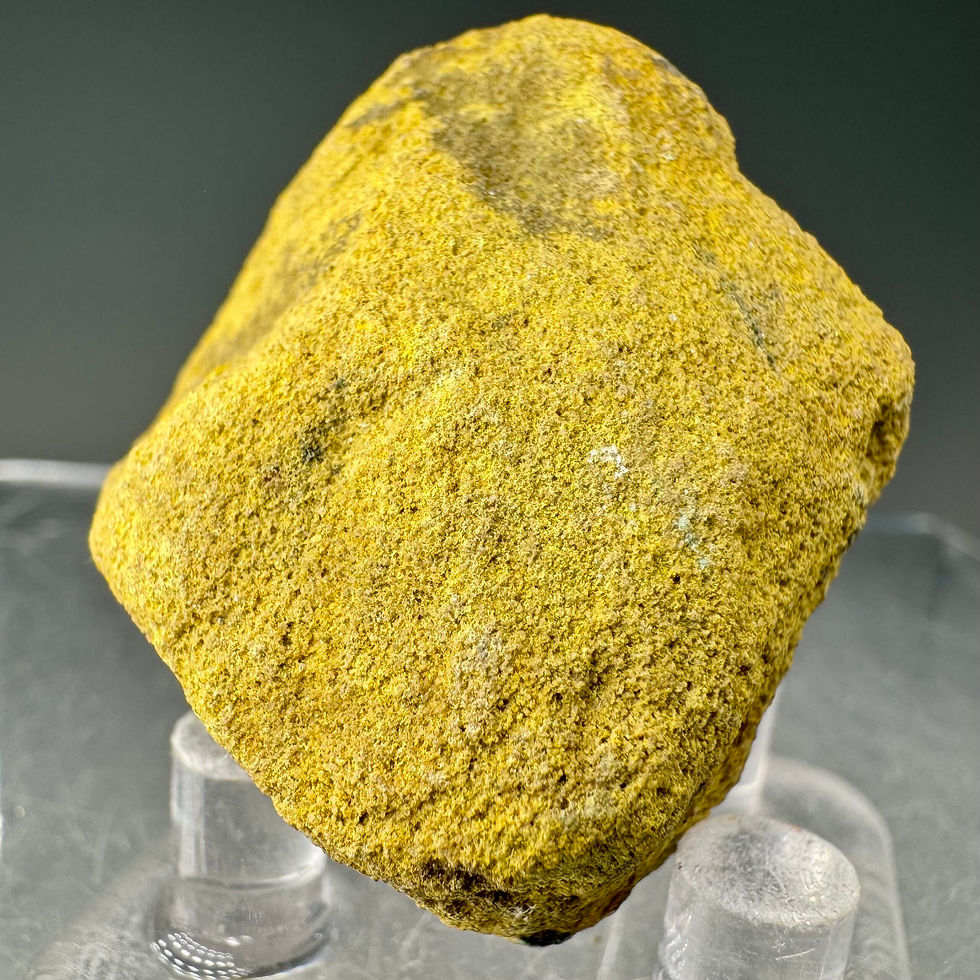
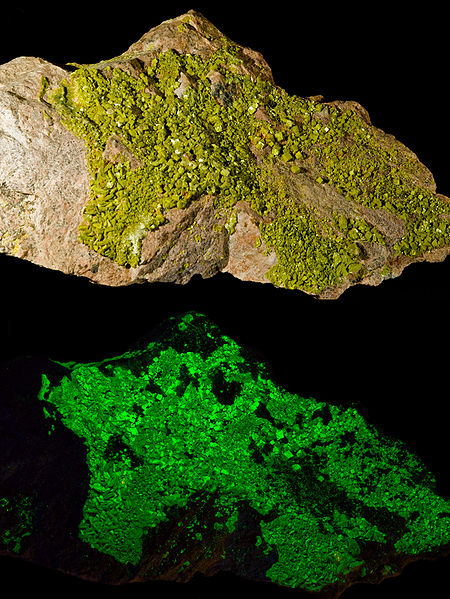
AUTUNITE
TORBERNITE
URANINITE
CARNOTITE
Appearance: Bright yellow-green rectangular crystals with a distinctive layered shape.
Fluorescence: Glows a brilliant neon green under UV light.
Composition: A naturally occurring hydrated calcium uranium phosphate mineral.
Appearance: Distinctive deep green square-shaped crystals with a layered, flaky structure.
Luster: Bright glassy shine with reflective crystal surfaces.
Composition: A naturally occurring copper uranium phosphate mineral closely related to Autunite, so can sometimes glow under uv
Appearance: Dense black to dark brown mineral with a metallic appearance.
Texture: Often found in smooth rounded or botryoidal formations, commonly known as pitchblende.
Composition: A primary uranium oxide mineral with secondary that can glow under uv and one of them is the most historically significant uranium ores.
Appearance: Bright canary-yellow to lemon-yellow coatings, crusts, or powdery formations.
Occurrence: Commonly forms as a secondary mineral in sedimentary rock environments making it sometimes glow under uv.
Composition: A naturally occurring potassium uranium vanadate mineral.
Geological Origins & Formation
Uranium is a naturally occurring element that was formed billions of years ago during powerful cosmic events long before the Earth existed. Over time, geological processes within the Earth concentrated uranium into the diverse and scientifically fascinating mineral specimens appreciated by collectors, researchers, and museums today. At U-ROCKS, we are passionate about preserving and sharing these remarkable pieces of natural history.

Primary Deposits
Uraninite and Pitchblende are primary uranium minerals that formed deep within the Earth through ancient geological and hydrothermal processes. These minerals are among the most important natural uranium-bearing specimens and have played a major role in the scientific study of radioactivity and mineralogy.
Secondary Alteration
Over time, natural weathering and oxidation processes can transform primary uranium minerals into vibrant secondary minerals such as Autunite and Torbernite. These minerals are especially admired by collectors for their striking crystal formations, vivid colours, and, in some cases, beautiful fluorescence under UV light.
Supergene Enrichment
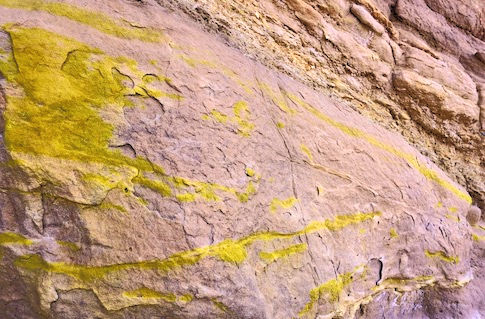
Over long geological timescales, groundwater can naturally transport and concentrate uranium within sedimentary rock layers. These processes helped form many of the world’s historic uranium deposits, which are studied today for their geological, scientific, and mineralogical significance.
Collecting & Curation Protocol
Building a radioactive mineral collection combines scientific curiosity, geological appreciation, and responsible collecting practices. At U-ROCKS, we encourage collectors to enjoy these fascinating natural specimens while following safe handling, proper storage, and informed collecting guidelines.
Ethical Acquisition
Focus on specimens with clear locality information and documented origins whenever possible. Historic mining regions and well-known localities often add important scientific, historical, and collector value to a specimen.
Scientific Storage
Store specimens in appropriate protective containers or display cases in a well-ventilated area away from regularly occupied living spaces. Good storage practices help preserve specimens while supporting a safe and responsible collecting environment.
Verification
Regularly checking your collection with a reliable Geiger counter or spectroscopy device can help you better understand your specimens and maintain a clean, well-managed collection environment.

The Scientific Beauty of Decay
Uranium specimens are more than remarkable geological formations, they represent a fascinating connection between natural history, science, and the incredible processes that shape our planet. From the vibrant fluorescence of Autunite to the dense metallic character of Uraninite, each specimen tells a unique geological story formed over millions of years.
At U-ROCKS, we appreciate these minerals for both their scientific importance and their natural beauty, carefully curating specimens for collectors, researchers, educational institutions, and enthusiasts who share a passion for rare and extraordinary minerals.
Safety Compliance & Specimen Guide
Scientific Safety Protocols
U-ROCKS specimens contain naturally occurring radioactive minerals, and we encourage all collectors to follow safe and responsible handling practices at all times. Specimens should be stored securely in appropriate containers, kept in a well-ventilated area away from regularly occupied living spaces, and handled carefully with gloves when appropriate.
Our specimens are intended for educational, scientific, research, and collector purposes, and we are committed to promoting informed, respectful, and responsible appreciation of these unique natural materials.
Curation & Identification Guide
Successful radioactive mineral collecting begins with accurate identification, responsible storage, and proper environmental care. At U-ROCKS, our specimens are selected and verified for their mineralogical authenticity and collector value. For enthusiasts who wish to learn more about their specimens, reliable radiation detection or spectroscopy equipment can be useful for monitoring and educational study. To help preserve delicate crystal structures and natural colouration, specimens should be kept in a dry environment and protected from excessive humidity, prolonged direct sunlight, and harsh conditions that may affect long-term stability.
Regulatory Compliance Notice: It is the buyer's sole responsibility to ensure that the purchase, possession, and storage of uranium specimens comply with all local, national, and international regulations. U-ROCKS adheres to all legal shipping requirements for radioactive materials. All sales are subject to our terms of scientific procurement and safety acknowledgement.